
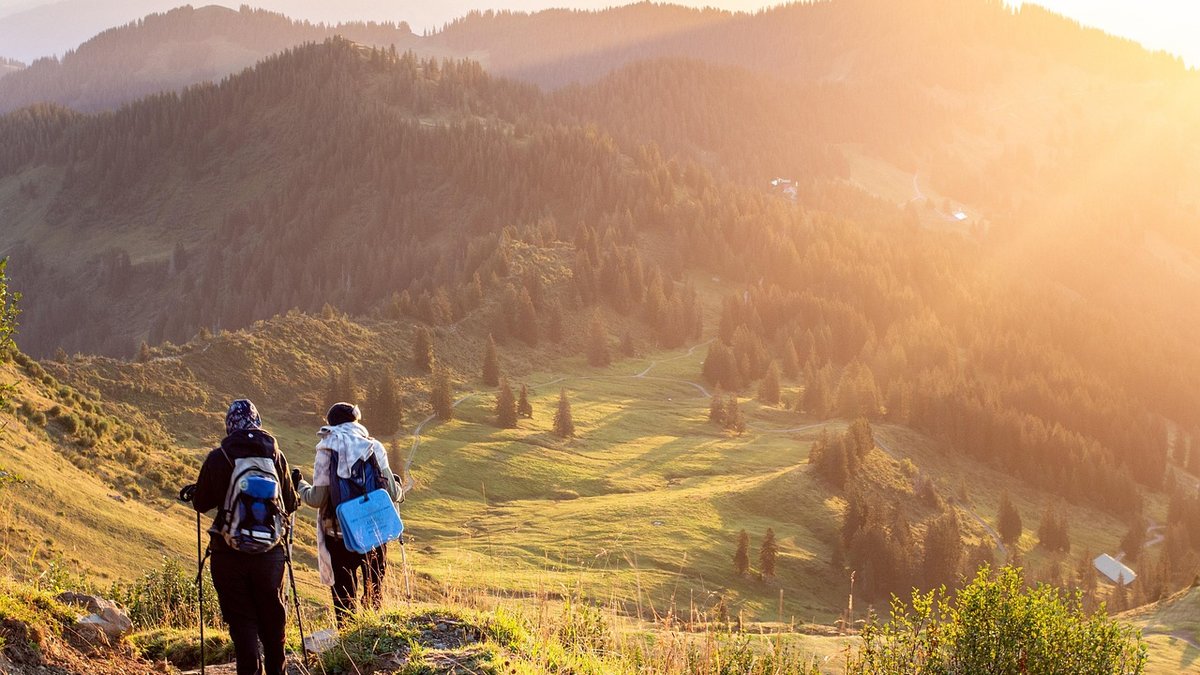
Ask a seven-year-old which fell they climbed last summer and they rarely mention the height. They will tell you about the cave they found, the stream they dammed with stones, or the hot chocolate that tasted better than anything at sea level. Young walkers measure a day out in interest and snacks, not in metres of ascent.
That is good news, because the Lake District is exceptionally well supplied with small fells. You do not need to be anywhere near a summit to give children a proper day in the hills. A lowly 300 m top with a rocky little scramble and a view down a lake will beat a long trudge up a big one every single time, and it will leave everyone keen to come back tomorrow.
Most family walks go wrong on paper, long before anyone puts boots on. Before you commit, sit down with the map and ask a few blunt questions.
A route with a stream, a gate, a small bridge and a cairn will keep children moving. A featureless slog along a forest track will not, however gentle it looks on paper.
Some well-loved favourites earn their reputation honestly.
Low-level days count too. A lakeshore circuit or a walk to a waterfall gives you the scenery without the climb, and it is often the better choice with a tired four-year-old in the group.
Children stop because they are bored, not because they are tired. Give them a job and the miles pass quickly. A small map of their own, a pair of binoculars, a list of things to spot, or the responsibility for opening every gate will keep a young walker occupied for hours.
Name the landmarks as you pass them and let children lead the last stretch to the top. If there is a stream, allow ten minutes for dam building. If there is a cairn, add a stone. Keep a special treat in the rucksack reserved strictly for the summit, and it becomes a genuine event rather than a bribe.
Little and often is the rule. Offer food and water every thirty to forty minutes rather than waiting for a formal lunch stop, and plan two or three proper rests where packs come off and everyone sits down. A ten-minute break with a drink and a biscuit buys far more goodwill than a rushed snack on the move.
Pack layers rather than one thick coat, since children overheat on the climb and chill on the summit. Add spare socks, a small first aid kit, sun cream, hats and gloves, and a torch even in summer. Proper shoes with grip matter more than waterproof trousers. Keep the day's total under four hours of walking, and finish while everyone still has energy left.
Fell tops are colder, windier and cloudier than the valley, so check a mountain forecast rather than a town one. Set a turnaround time as well as a summit target, and treat reaching it as a success rather than a failure. A child who is turned back safely in deteriorating weather learns something valuable, and will still want to come out next time.
Start early, especially in summer, when parking fills by mid-morning. Above all, choose the smaller hill on the better day. A short walk that ends with muddy boots, a story to tell and a chip supper in a cottage kitchen is how a lifelong love of the fells begins.

Hi, my name is Anthony kuber. I am artist and fashion designer.
I love to travel and writing blogging.
Your email address will not be published. Required fields are marked *
Software Developer & Writer
Hey, I'm Diva, a developer and writer blending code and creativity. I'm driven by a deep curiosity and a relentless pursuit of excellence. Join me as I craft digital solutions and captivating stories.


